
Navigating Autoimmune Pathologies Movement Education: The Polestar Difference
Movement professionals routinely encounter clients managing complex, chronic conditions. Among the most challenging pathologies are autoimmune and rheumatic disorders. These conditions affect a client’s movement quality, recovery rate, and overall quality of life. Navigating Autoimmune Pathologies Movement Education requires however a specific and rigorous approach.
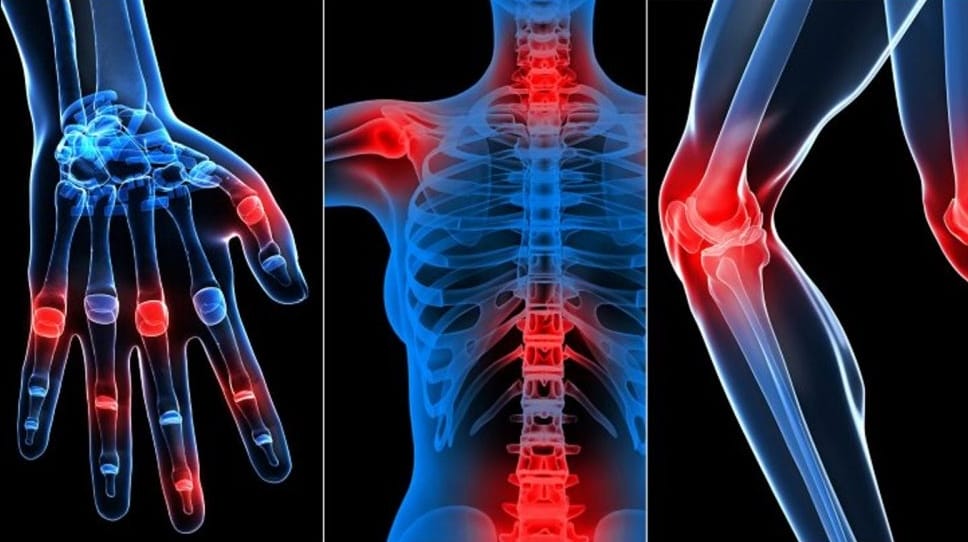
Rheumatoid arthritis (RA), lupus, and osteoarthritis (OA) are common examples of such pathologies discussed by experts in the field. Ankylosing spondylitis (AS) is another autoimmune disease frequently seen in practice.
The Polestar Methodology
Polestar frames its methodology as expanding on Joseph Pilates’ original work. This includes incorporating essential elements like critical thinking, client assessment, and enhanced accessibility for special populations.
The core objective is to generate genuine clinical insight, focusing on the why of assessment as much as the how of repertoire mastery. This rigorous approach is crucial when designing customised workouts for individuals with unpredictable inflammatory conditions.
We know Polestar Pilates is designed to impact global well-being through the practice and education of healthy movement. Movement, when prescribed intelligently, is medicine. For clients navigating autoimmune challenges, the necessity of practical mastery and tailored intervention cannot be overstated.
Understanding the Pathologies: Beyond the Diagnosis
Autoimmune diseases occur when the immune system mistakenly attacks the body’s own healthy tissues. This hyper-sensitivity leads to inflammation and subsequent tissue damage. Lupus, for instance, has been described simply as a “waste management problem” where cellular debris triggers an inflammatory autoimmune process.
Rheumatoid arthritis (RA) causes chronic inflammation that severely impacts joint integrity. Individuals with inflammatory arthritis often experience morning stiffness, which may take one to three hours to subside. They typically feel better after movement or a warm shower.
This population is eager to exercise because it improves their well-being, but they must be cautious not to “overdo it”. Overworking a client with inflammatory conditions can trigger a histamine release, leaving them unable to get out of bed the following day.
Special Considerations: Hypermobility
Conditions like hypermobility, including Ehlers-Danlos Syndromes (EDS/HEDS), also require specialised handling, though they involve connective tissue rather than strictly autoimmune mechanisms. Hypermobility creates “significant play in the joints”. Joints that are routinely loaded will develop extra irritation, which may lead to inflammatory changes.
The Polestar method emphasises addressing the entire person. Practitioners must understand the pathology’s impact on function. The priority for a movement professional is to collaborate closely with healthcare providers, particularly rheumatologists. If a client with inflammatory arthritis shows distress or continued swelling, they should be encouraged to return to their rheumatologist. Disease management should aim for high levels of improvement.
Movement Mastery: Tailoring Pilates for Inflammatory Conditions
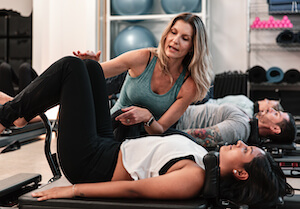
Polestar considers Pilates to be an excellent therapeutic modality for patients managing rheumatoid arthritis. The equipment provides a controlled environment. This unique setting enables practitioners to compensate or reroute force effectively. This strategy allows clients to maintain vital core strength, stability, and ambulation without unduly stressing vulnerable joints such as the wrists or ankles.
Polestar instructors, trained in biomechanics and critical reasoning, learn to redirect load. For example, instructors can use equipment attachments to apply force around the calf, above the knee, or around the wrist. This action provides the necessary load to strengthen the core and pelvis while protecting affected joints. This mastery of every piece of equipment is a fundamental element of the Polestar Difference.
Precision for Hypermobile Clients
For hypermobile clients, the approach is different yet equally precise. The focus must be on non-impact exercises and specific strengthening routines to stabilise the joints. Movement should be restricted to a “neutral zone”. This zone avoids pushing tissues to the end of their range, which is where damage is likely to occur.
The concept of graded load is crucial for tissue adaptation. Pilates allows for meticulous modification of gravity, base of support, and lever length. This ensures that the client receives the precise amount of load necessary for adaptation, which is often described as “as much as necessary, as little as possible”. By offering exercises in an assistive environment, we bridge the gap between initial impairment and functional participation.
The Whole-Person Approach: Cultivating Resilience
The true efficacy of Polestar Pilates extends beyond exercise. Effective intervention requires deep client assessment and critical reasoning skills. We do not treat the pathology or the label. We treat the individual.
This involves using models such as the International Classification of Function and Disability (ICF). Practitioners must ask the client, “What activities do you believe you should be able to participate in?”. This frames rehabilitation around the client’s self-efficacy and desired life participation.
Addressing Belief, Pain, and Lifestyle
An essential component of Polestar methodology is addressing belief and perception. Pain is fundamentally a signal that the body perceives a threat. Chronic pain involves a complex centralised burn, influenced by psychological and social factors. By acknowledging the client’s beliefs and validating their pain experience, movement professionals build therapeutic trust. Reassuring the client with “you’re going to be okay” significantly calms them and helps ease their suffering. The correct movement experience, coupled with education, significantly reduces the nervous system’s threat level.
When dealing with autoimmune and rheumatic pathologies, lifestyle factors are paramount. Experts suggest addressing sleep and constipation can resolve 50% of patient problems. Sleep dysfunction is “ubiquitous” in this population. Recommendations include magnesium at bedtime, which aids relaxation and gut health. This holistic approach is fundamental to Polestar’s commitment to balanced development of body, mind, and spirit.
The Polestar Training Difference
The Polestar training is designed to foster confident instructors who possess both high-level critical reasoning and an advanced understanding of movement science. This is achieved through significantly more hours of in-person, hands-on Practicums and Mentoring than other certification programmes in New Zealand.
Graduates master every piece of equipment. They learn to teach movement that leads to spontaneous zest and pleasure. This depth of training allows practitioners to see the client’s potential. It promotes lifelong learning for both instructor and client.
By providing a structured and evidence-based pathway, Polestar ensures its graduates are highly skilled and confident in tackling complex rehabilitation challenges.
Further Information: Polestar Pilates Hour
For further information, in this recent Polestar Pilates Hour, Dr. Brent Anderson discussed with Dr. Olga Kromo autoimmune and rheumatological pathologies. They explored how conditions such as rheumatoid arthritis, lupus, and osteoarthritis affect movement, recovery, and overall quality of life. Dr. Kromo also shares integrative strategies to support patients in managing these challenges and highlights how movement professionals can collaborate with healthcare providers to help clients build resilience through whole-person approaches.
Click on the picture below and have a listen: