

Evidence-Based Pilates for Parkinson’s: Bridging Movement Science and Rehabilitation
Movement is not the result of healing. It is the healing.
For licensed health professionals in New Zealand, this distinction is more than philosophical. It has direct, measurable consequences for the clients you support every day – including those living with Parkinson’s disease.
A Decade of Clinical Insight
Dr. Brent Anderson led a wellness programme specifically for individuals with Parkinson’s disease for over a decade. The clinical observations were remarkable. Participants required a 90% lower increase in synthetic dopamine dosage compared to the average patient five to six years post-diagnosis. Some individuals previously assessed at stage four reverted to a stage three functional capacity through consistent, skilled movement practice.
These are not anecdotal reports. They are the outcomes of a rigorously observed, evidence-based programme – one that sits at the core of Polestar’s clinical philosophy. As a rehabilitation professional, understanding why these results occur gives you a powerful framework for improving client outcomes.
Understanding Pathologies and Biomechanics
Parkinson’s disease is fundamentally characterised by a severe decline in dopamine production. Dopamine controls the fluidity of human movement, speech, and cognitive function. A decrease in this essential neurotransmitter produces persistent tremors, forward flexed posture, and delayed stepping patterns.
One of the most important clinical distinctions in this area is often missed. Parkinson’s disease causes rigidity – not spasticity. This distinction directly dictates your intervention strategy.
Clinical Insight
When working with clients on the Reformer, a heavier spring load can assist movement significantly. The increased resistance gives rigid tissues a secure mechanical framework, allowing clients to articulate joints and move with greater ease. This is not a generic approach – it is critical reasoning applied to the individual.
We do not administer a standard routine. We adapt the environment to provide a positive movement experience without causing pain or distress. That adaptive thinking is what separates clinical Pilates from general exercise instruction.
Neuroplasticity Through Skilled Exercise
Current movement science draws a clear distinction between cardiovascular exercise and skilled exercise. Both have value, but they produce different neurological outcomes.
Programmes like Rock Steady Boxing provide excellent cardiovascular intensity, which increases Brain-Derived Neurotrophic Factor (BDNF). Skilled exercise operates differently. It involves complex, cue-rich, learning-based movement – the kind that demands mindful attention and drives genuine neuroplasticity. Pilates is the definitive skilled exercise.
When a client executes a complex pattern on equipment, the nervous system receives a significant influx of proprioceptive feedback. New neural pathways form. Old, restricted movement patterns are challenged and reshaped over time.
Key Principle: Repetition Without Fatigue
For clients with neurological pathologies, overheating or excessive fatigue can trigger adverse effects or flare-ups. Skilled Pilates practice enables repetitive functional movement in a controlled environment – building new neural connections without overloading the system. This is a critical clinical consideration in programme design.
Clinical Integration and Comprehensive Assessment
Parkinson’s disease typically manifests as a forward flexion condition. As the disease progresses, clients may develop scoliosis or spinal asymmetries that require rigorous clinical reasoning to assess and address. A standard exercise recipe is not sufficient.
Polestar Pilates uses the International Classification of Functioning, Disability and Health (ICF) model as a foundation for initial client assessment. The process begins with a simple but profound question: what activities do you most want to participate in? From there, we build a custom rehabilitation programme that bridges the client’s current physical state with their personal goals.
This approach is not theoretical. It is taught through extensive in-person practicums and mentored clinical hours – forming the backbone of Polestar’s internationally recognised curriculum.
The Psychosocial Dimension of Movement
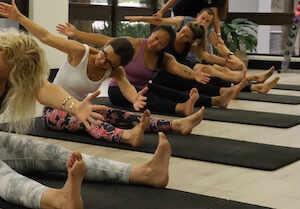
The benefits of the Polestar method extend beyond physical outcomes. A decline in dopamine can precipitate clinical depression and anxiety. Social isolation routinely compounds these symptoms. Group Pilates classes provide a structured, supportive environment where participants share experiences, find genuine satisfaction in movement, and build long-term self-efficacy.
Research is clear: psychosocial factors are exceptional predictors of functional outcome. When clients experience positive movement without pain, their internal beliefs shift. They build an internal locus of control. They begin to understand that they have genuine capacity to influence their own well-being.
As Polestar educators, this is the work. Supporting individuals toward authentic, lasting confidence in their own bodies.
The Polestar Difference in Clinical Integration
This evidence-based approach is what we call The Polestar Difference. We bridge the gap between traditional physiotherapy and functional movement practice – giving rehabilitation professionals the clinical vocabulary, practical skills, and global community to advance their work.
In New Zealand, Polestar offers extensive in-person practicums and mentoring with expert faculty who bring decades of hands-on clinical experience. You will learn to assess and programme for clients across a full spectrum of pathologies. You will graduate with the confidence to work at the intersection of movement science and rehabilitation.
- Master every piece of Pilates equipment in a clinical context
- Design custom programmes for clients with neurological conditions
- Earn valuable CECs toward your ongoing professional accreditation
- Join a global community of movement professionals across 80+ countries
Fitness professionals and rehabilitation specialists alike complete Polestar training and return to their practice with advanced clinical tools – and measurably better client outcomes.
Pilates Hour with Dr. Brent Anderson
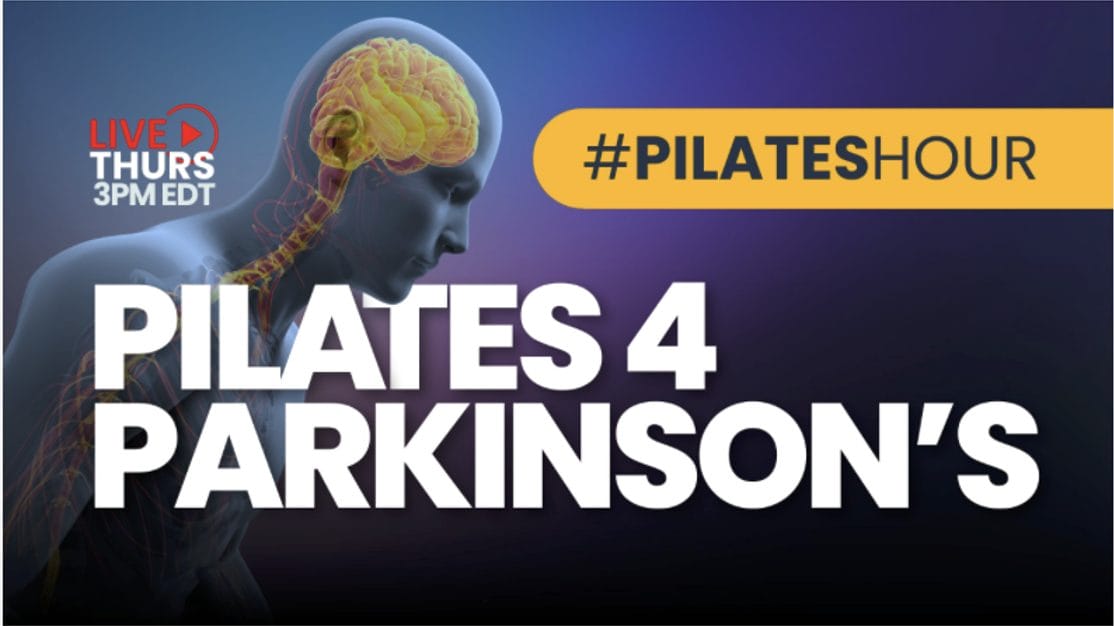
In this Pilates Hour, Dr. Brent Anderson draws on over a decade of clinical observation working with individuals with Parkinson’s disease, covering key topics such as
- Why rigidity – not spasticity – defines the Parkinson’s intervention strategy
- How heavier spring loads on the Reformer support rigid tissue movement
- The difference between cardiovascular and skilled exercise in neurological rehabilitation
- Using the ICF model to build goal-centred rehabilitation programmes
Ready to Advance Your Clinical Practice?
Explore Polestar’s evidence-based teacher training and continuing education programmes in New Zealand.